Panzi Foundation & Hospital is a nonprofit organization headquartered in Bukavu, Democratic Republic of Congo, with a satellite office in Washington, D.C.
As a Congolese organization, we work with Congolese people, for Congolese people, to find sustainable solutions to pressing issues. From response to prevention, we are innovating for a stronger Congo.
Panzi Hospital is a general hospital in Bukavu, DRC. Founded by Dr Denis Mukwege in 1999, Panzi is world-renowned for its treatment of survivors of sexual violence and gynecological injuries.
While we always welcome financial contributions, we also need donations of time, creativity, and skill—from fundraising and education to action on a global scale.
Preventing the Spread of Ebola: The Plant Keeping Communities Safe
The 17th Ebola epidemic, caused by the Bundibugyo strain, was first detected in eastern DRC in late May – starting in Iutri before spreading to North Kivu and South Kivu. This week, a new case has recently been detected in Kisangani, a sign that the disease continues to progress. According to the National Institute of Public Health (INSP), 1,406 cases have been recorded in total with 438 deaths, a fatality rate of 31.2%.
In this challenging context, land borders with Rwanda and Uganda remain closed, while the airports of Goma and Bukavu have been shut down since rebels took over these cities in early 2025, limiting the external supply of medical supplies. Several hospitals in the city now find themselves unable to source alcohol and disinfectants. For this reason, Panzi Foundation’s bioethanol plant stands as a safeguard against the spread of the virus.
What is bioethanol?
Bioethanol is an ethyl alcohol created by fermenting sugar-rich plant materials, such as sugarcane. It is used as a disinfectant, solvent, or fuel, and should not be confused with drinking alcohol. Panzi Foundation’s plant produces 96% bioethanol, intended exclusively for medical disinfection and the production of hydro-alcoholic solutions.
A response to broken supply chains
During epidemics, 96% bioethanol is essential for disinfecting hands, surfaces, protective equipment, and treatment centers. Since it launched in 2024, the unit has primarily supplied health facilities, laboratories, pharmaceutical warehouses, and other institutional users in the city of Bukavu, whose annual demand for medical bioethanol is estimated at around 77,000 liters.
Border closures and conflict have resulted in severe disruptions to the supply chain. Panzi Foundation’s bioethanol plant has filled key gaps for health facilities across the region. Without this local production, many hospitals in Bukavu would have otherwise depleted their stock of disinfectant, a grave risk in the face of an epidemic that threatens frontline staff and treatment sites. Thanks to Panzi’s plant, hospitals in our network are now able to maintain minimum standards of infection control and can continue to respond to Ebola.
“After a start marked by technical and financial challenges, our plant is entering a new phase. We are progressively scaling production to better meet the needs of hospitals, health centers, and laboratories fighting infectious diseases, including Ebola.”
— Joël Bisimwa, Manager of the bioethanol production unit
Health sovereignty driven by women producers
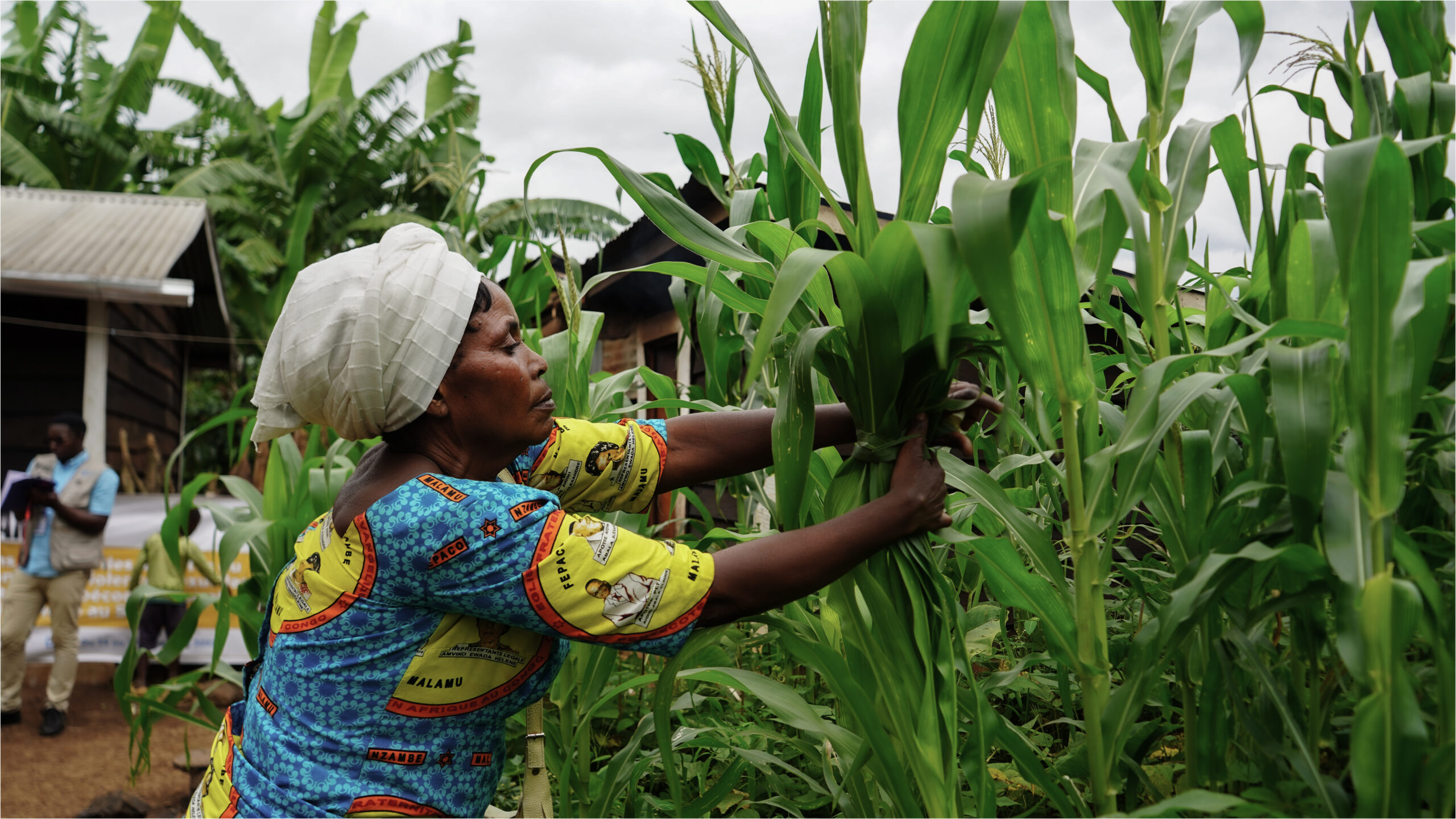
In order to produce the bioethanol, large quantities of sugarcane are needed. Behind this production are 300 inspiring women, members of Village Savings and Loan Associations (VSLAs), mutual aid groups where members save together and extend each other small loans. Supported by Panzi Foundation, these women have access to land and resources which enables them to supply the plant’s raw material.
A diversified economic model
Beyond alcohol and disinfectants, the plant also sells sugarcane juice as well as purified water. Sold locally, these products help diversify the plant’s revenue and meet the community’s everyday needs, while reinforcing economic viability. By securing access to disinfectants for Bukavu’s health facilities, Panzi’s bioethanol plant shows how a locally driven, women-led solution can build lasting health resilience in a region facing crisis.
Panzi plans to expand this program in coming years, with the goal of further economically empowering women, and also strengthening the region’s health sovereignty.
Mulamba Hospital Celebrates Fifteen Years of Serving Rural Communities in South Kivu
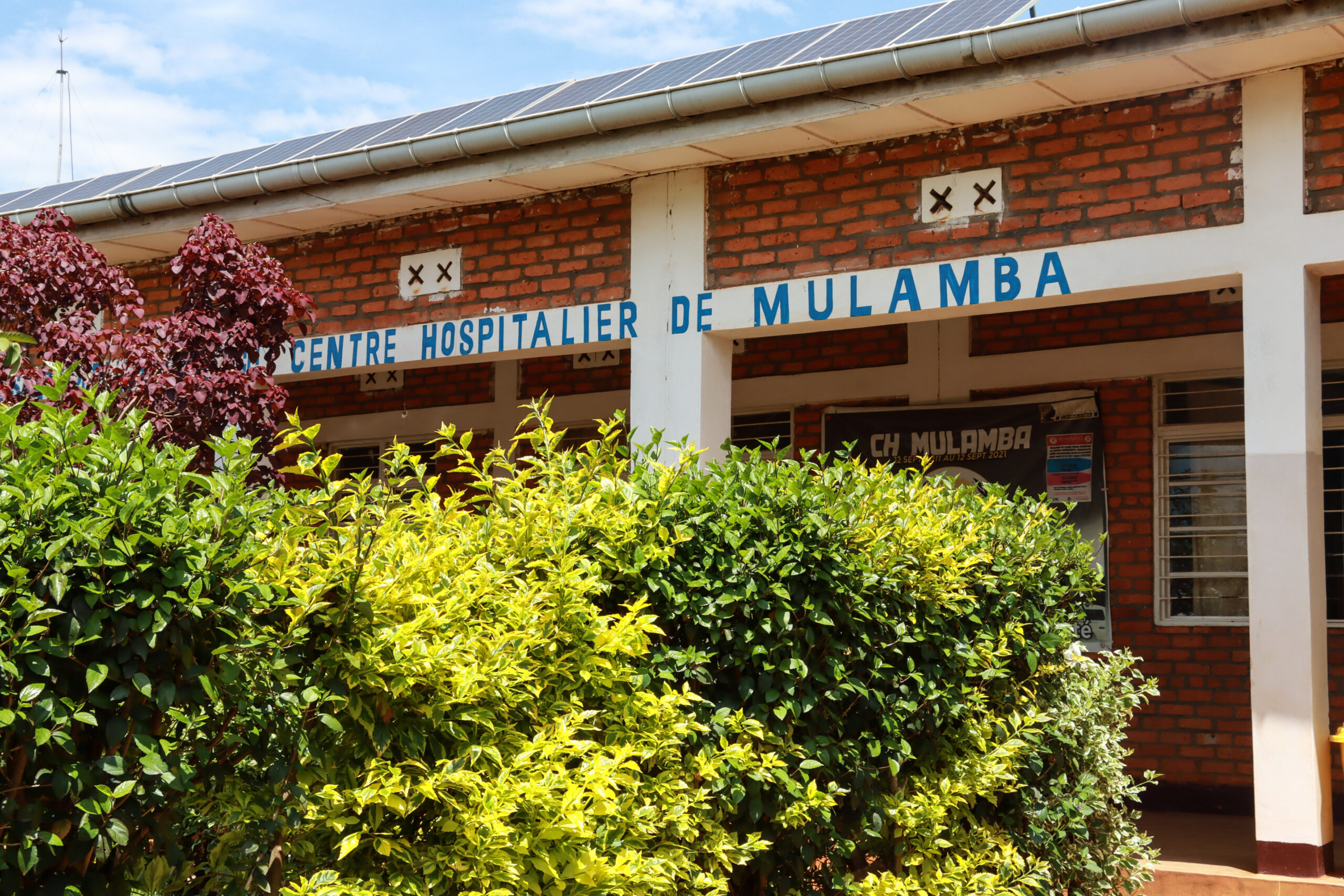
For fifteen years, the Mulamba Hospital has been supporting rural communities in South Kivu, driven by a simple conviction: rural populations deserve access to quality care and dignified treatment, without distance or hardship standing as a sentence. As we commemorate almost two decades of community service, we look back on a story that continues to transform lives. A response to a health and humanitarian emergency Founded in 2011, Mulamba Hospital responded to a particularly troubling health and humanitarian reality. At...
A Year Later, The School Bell Still Rings in Bukavu
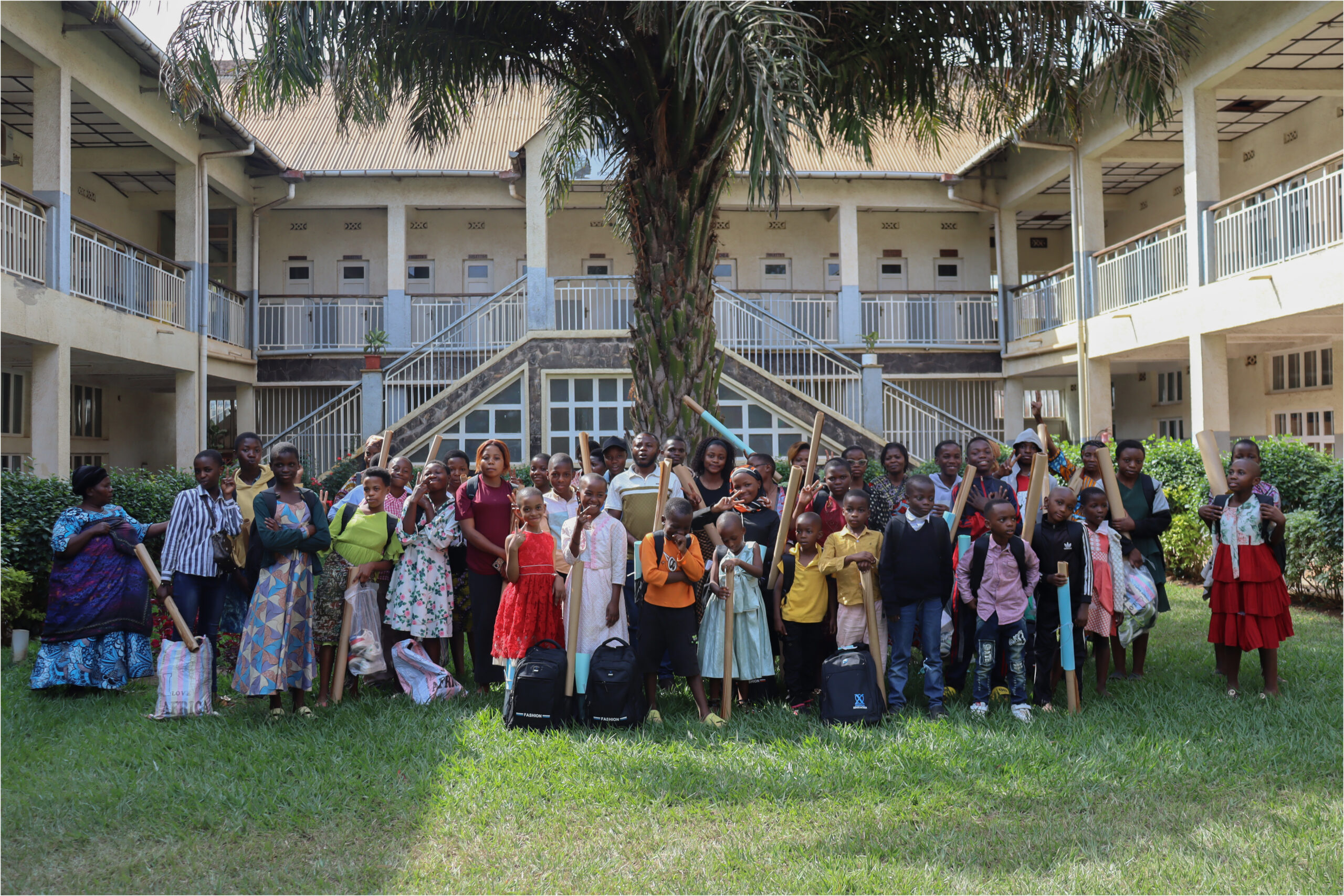
In Bukavu, the ringing of the school bell has always marked more than the start of a new year. It is a signal that life, in all its ordinary rhythms, continues. This year, that sound carries a different weight. More than a year into occupation, “normal” has been redefined for families across our community, and yet, children are still lacing up their shoes, packing their notebooks, and walking through the school gates. At Panzi, education has never simply been about...
Panzi Foundation Brings Relief to 3 000 Households in Kaziba
With more than 3,4 millions internally displaced people recorded in June 2026 by the Population Mouvement Commission (CMP) in the provinces of South Kivu, North Kivu and Ituri, families who fled the war and are returning home face extreme hardship: unsanitary shelters, food insecurity, the absence of some schools, crumbling health facilities, as well as increased vulnerability for women and children. It is within this context that Panzi Foundation officially launched on Monday, August 31, 2026, a vast operation to...
Join us as we help Congolese survivors reclaim their lives.
To provide the best experiences, we use technologies like cookies to store and/or access device information. Consenting to these technologies will allow us to process data such as browsing behavior or unique IDs on this site. Not consenting or withdrawing consent, may adversely affect certain features and functions.
Functional
Always active
The technical storage or access is strictly necessary for the legitimate purpose of enabling the use of a specific service explicitly requested by the subscriber or user, or for the sole purpose of carrying out the transmission of a communication over an electronic communications network.
Preferences
The technical storage or access is necessary for the legitimate purpose of storing preferences that are not requested by the subscriber or user.
Statistics
The technical storage or access that is used exclusively for statistical purposes.The technical storage or access that is used exclusively for anonymous statistical purposes. Without a subpoena, voluntary compliance on the part of your Internet Service Provider, or additional records from a third party, information stored or retrieved for this purpose alone cannot usually be used to identify you.
Marketing
The technical storage or access is required to create user profiles to send advertising, or to track the user on a website or across several websites for similar marketing purposes.
The crisis in eastern Congo is ongoing. By supporting Panzi, you join a global movement working to provide urgent care, dignity, and justice for those suffering.