



Thank you for the opportunity to speak.
My name is Nicole Namwezi Batumike, and I serve as the Policy and Advocacy Lead at Panzi Foundation. Today, I will share Panzi’s perspective: peace in eastern Congo will remain unachievable unless the people most affected are meaningfully consulted and placed at the heart of humanitarian and structural solutions.
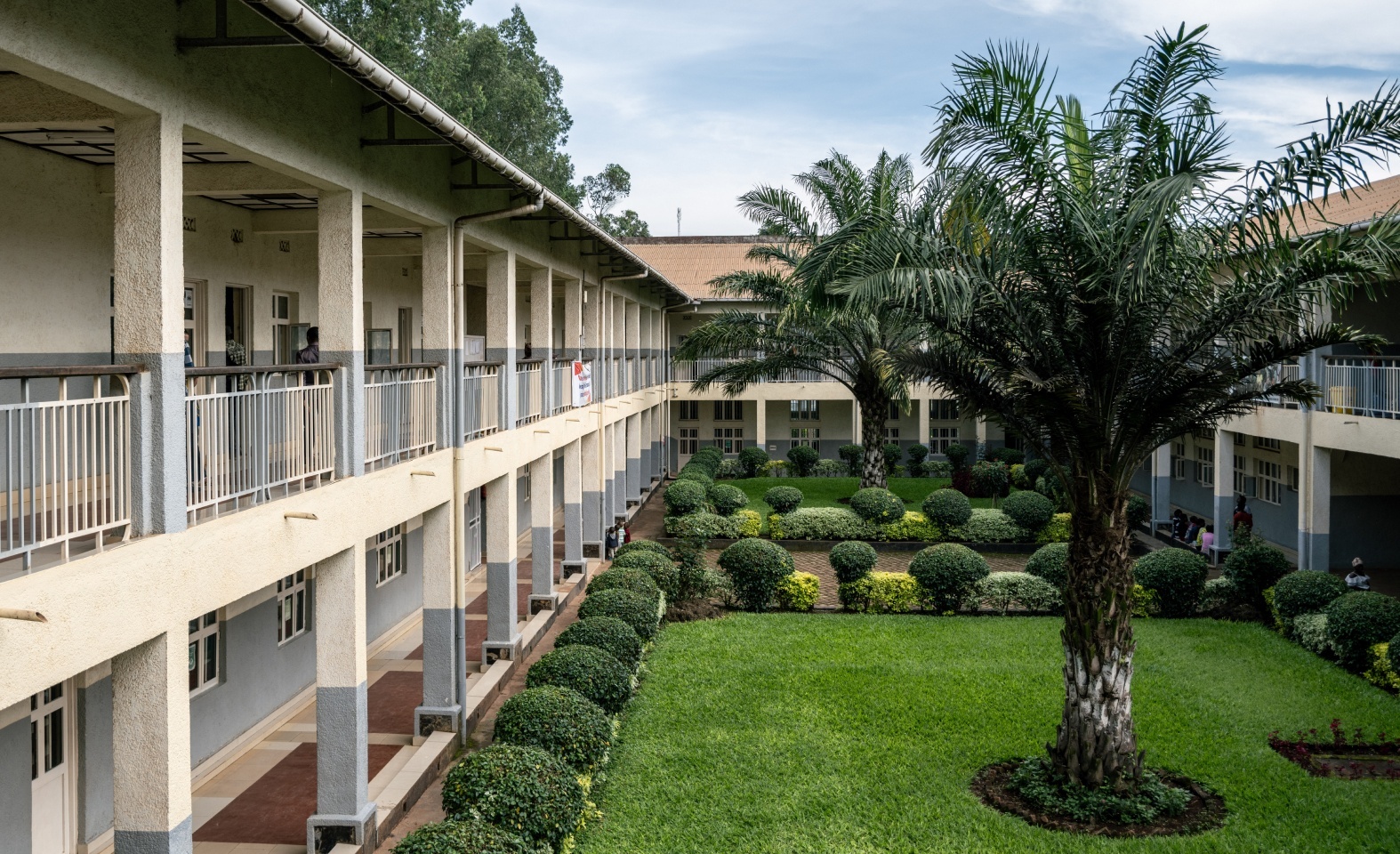
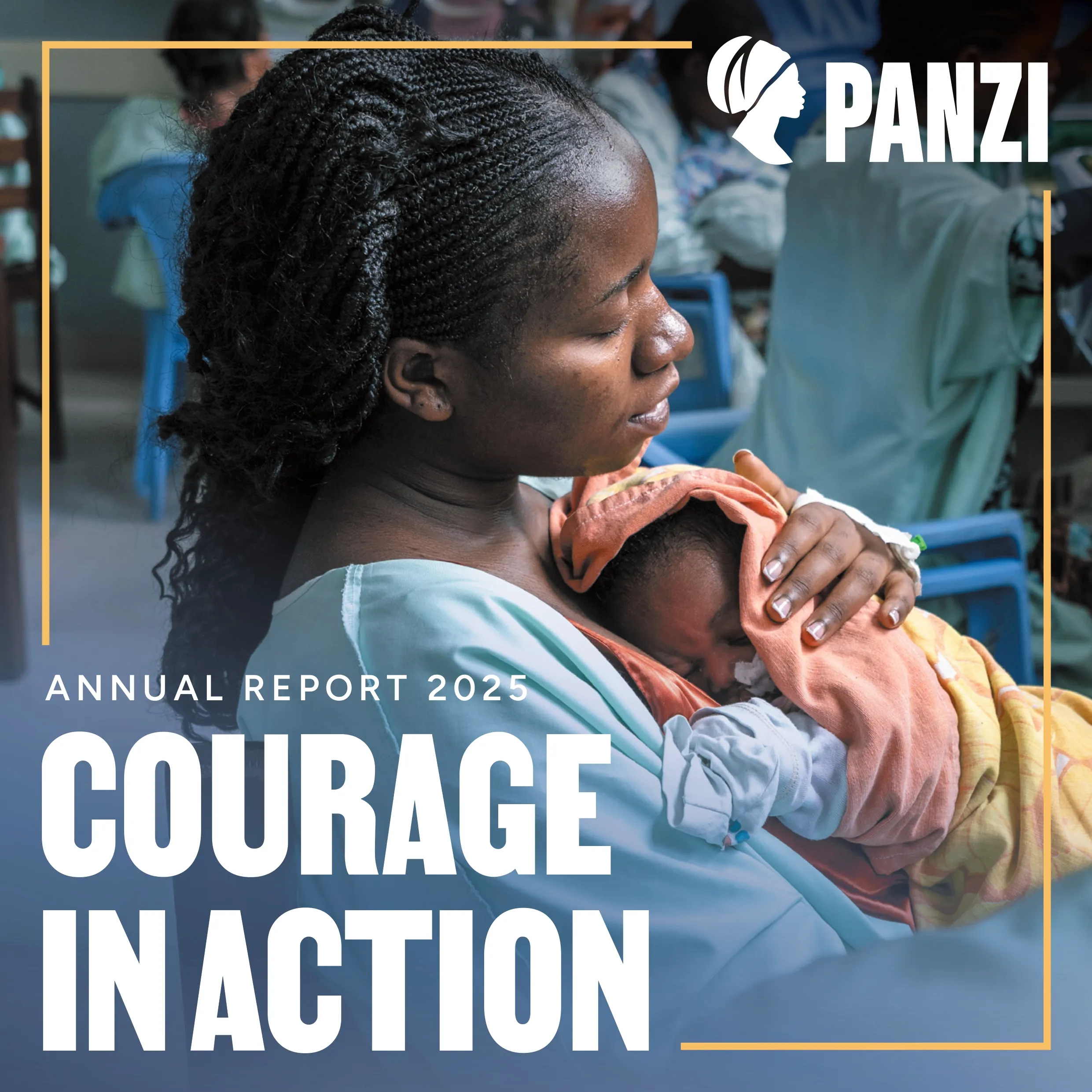
Panzi Hospital and Foundation Headquarters are based in Bukavu, in the Congolese province of South Kivu. The institution was founded in 1999 by Dr. Denis Mukwege, a gynecologist, human rights advocate, and 2018 Nobel Peace Prize laureate. Since its founding, Panzi has treated more than 90,000 survivors of sexual violence.
Many of the survivors treated at Panzi come from mining areas, where armed violence, illicit extraction, intentional destruction of villages, and land dispossession intersect.
For the past 30 years, Congolese people have faced relentless, inhuman levels of violence. But in 2025 alone, OCHA reported 220,000 cases of gender-based violence—a 69 percent increase from 2024—and three months after Goma and Bukavu were seized by M23 last year, UNICEF warned that a child was raped roughly every thirty minutes.
However, at the very moment survivors need care the most, the health system that should support them has been severely weakened by the destruction and looting of medical facilities. Compounding this crisis, a July 2025 brief by Physicians for Human Rights finds that recent U.S. funding cuts have contributed to a more than 50 percent reduction in sexual and reproductive health services. While the United States is heavily engaged diplomatically in the peace process, a temporary return to stronger involvement in humanitarian response would complement these efforts, particularly given the country’s historic leadership in establishing the PEP kit system for survivors.
The Congolese people also welcome recent diplomatic measures addressing regional instability, including U.S. Treasury sanctions on the Rwanda Defence Force and senior officials for their role in supporting the M23 rebellion and destabilizing eastern Congo. Justice and accountability are essential to any peace process, and these measures offer a glimpse of hope.
For decades, stabilization and responsible sourcing initiatives—including mechanisms aimed at improving traceability like ITSCI—have involved actors implicated in regional violence, such as James Kabarebe, a retired Rwanda general and current Senior Defence and Security Advisor in the Office of the President of Rwanda, who the US sanctioned last year in February. While engagement with such actors may be operationally required for technical or diplomatic reasons, sustainable peace and economic integration cannot be led by those whose actions perpetuate instability. This is not an argument against dialogue—it is about sequencing, legitimacy, accountability, and inclusion.
Communities that have endured decades of displacement, sexual violence, and land dispossession remain peripheral in shaping their future. Their participation is often consultative and episodic, while sanctioned actors retain structural influence.
At the request of the U.S. Embassy in Kinshasa, several civil society representatives, including myself, were invited to review an initial draft of the Regional Economic Integration Framework (REIF) and provide feedback. While we appreciated the opportunity, there were no formal feedback loops or clear mechanisms for ongoing communication.
Although not all of our recommendations were incorporated, the final version of the framework—which we discovered when it was published on December 4th—did include some improvements. These included stronger language on formalizing the artisanal mining sector and addressing illicit mineral trade. However, it is important to note that these remain minimum standards already reflected in previous frameworks.
Three things that we emphasized in our feedback is 1) integration must be conditional. It cannot proceed under conditions of occupation, insecurity, or structural inequality. 2) We also stressed the need to integrate procedural, distributive, and restorative safeguards to support sustainable economic integration. 3) Among our proposals was the introduction of regional processing quotas, which would prioritize developing the DRC’s own value-addition capacity before expanding investment in neighboring countries. This would help address infrastructure gaps that currently enable smuggling and illicit trade. These are minimum conditions for any economic partnership to have lasting potential.
If, as presented by both the U.S. and the DRC, the shared objective is to move beyond long-term humanitarian dependence and toward economically viable partnerships, economic and peace initiatives must reflect that ambition. Durable peace depends on local ownership, structured oversight, and meaningful participation by those who have borne the costs of the conflict.
For this reason, we support the establishment of a formal Congo Working Group within Congress, accompanied by a predictable framework for sustained civil society engagement. This could include thematic areas focused on civilian protection and assistance, justice and accountability, and the advancement of sustainable and responsible mineral partnerships, supported by dedicated resources to ensure participation is operational rather than symbolic.
Thank you for your attention.